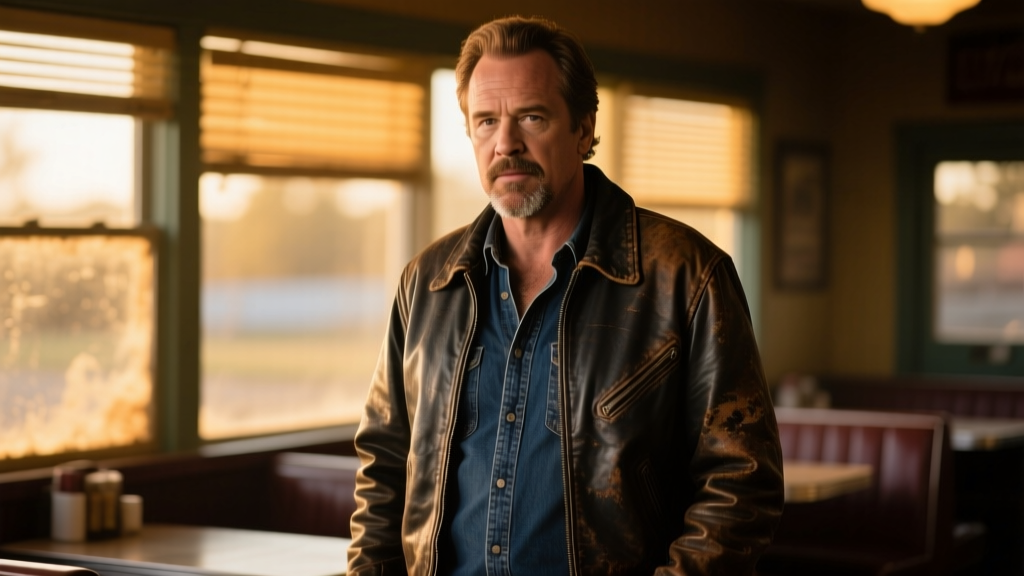
When analyzing the landscape of modern character actors, few possess the psychological depth of this Arkansas native. For viewers looking to explore the vast catalog of Billy Bob Thornton movies and TV shows, you are about to encounter a masterclass in portraying flawed, complex archetypes. From his Oscar-winning screenwriting in indie darlings to his chilling television antiheroes, his extensive filmography offers a fascinating study in personality extremes, moral ambiguity, and behavioral psychology. Whether you are a cinephile or a casual observer, understanding his career trajectory provides unique insights into the human condition. This beginner-friendly guide breaks down his most critical roles, streaming availability, and the underlying psychological frameworks of his iconic characters.
The Core Archetypes in His Filmography
Before diving into specific titles, it is essential to understand the psychological blueprints Thornton consistently employs. According to personality psychology frameworks, actors often gravitate toward specific Jungian archetypes. Thornton excels in two primary domains:
- The Weary Outsider: Characters who operate on the fringes of society, bound by a rigid, often misunderstood internal moral code. These roles require profound empathy and a mastery of subtle physicality.
- The Chaotic Catalyst: Highly intelligent, sociopathic, or deeply cynical figures who disrupt the status quo. These characters act as mirrors, forcing surrounding characters to confront their own shadow selves.
By mapping his filmography through these archetypes, viewers can better appreciate the nuance he brings to every script, elevating standard genre pieces into profound character studies.
Top Billy Bob Thornton Movies and TV Shows Ranked
To navigate his extensive resume, we have isolated the projects that define his career, combining critical consensus with psychological depth.
Sling Blade (1996)
This is the cornerstone of his career. Thornton wrote, directed, and starred in this indie masterpiece, playing Karl Childers, a developmentally disabled man released from a psychiatric hospital. The film was made on a modest $1.3 million budget but grossed over $24 million at the box office, according to Box Office Mojo. Thornton won the Academy Award for Best Adapted Screenplay. From a personality perspective, Karl Childers is a masterclass in cognitive rigidity; his black-and-white moral framework clashes violently with a nuanced, gray world, resulting in a tragic but inevitable climax. Holding a 96% approval rating on Rotten Tomatoes, this is mandatory viewing for understanding his baseline as a creator.
Fargo: Season 1 (2014)
Transitioning to television, Thornton took on the role of Lorne Malvo in the first season of FX's anthology series. Malvo is a quintessential chaotic catalyst—a nomadic hitman who views morality as a construct designed by the weak. Thornton's performance is terrifying precisely because of its quietness; he uses a soft, raspy cadence and intense, unblinking eye contact to establish dominance. The role earned him a Golden Globe and an Emmy nomination. It stands as one of the most compelling portrayals of high-functioning sociopathy in modern television history, perfectly illustrating the 'shadow' archetype in narrative storytelling.
Goliath (2016-2021)
In this Amazon Prime legal drama, Thornton plays Billy McBride, a brilliant but severely alcoholic lawyer who takes on massive corporate entities. Running for four seasons, the show earned him a Golden Globe for Best Actor in a Drama Series. McBride represents the 'fallen hero' archetype. His psychological profile is marked by severe cognitive dissonance: he possesses a profound desire for justice but is continuously undermined by his own self-destructive coping mechanisms. The series provides a long-form exploration of addiction, trauma, and redemption, showcasing Thornton's ability to carry a multi-year character arc.
Bad Santa (2003)
A staple of dark holiday comedy, this film features Thornton as Willie T. Soke, a deeply depressed, alcoholic safecracker who poses as a department store Santa. While ostensibly a crude comedy, the film is underpinned by a genuine exploration of clinical depression and childhood trauma. Thornton's commitment to the character's misery grounds the absurdity, making the film a cult classic. It proves his versatility, demonstrating that his understanding of broken psychology translates just as effectively to R-rated comedy as it does to prestige drama.
Data Breakdown: Critical Reception and Archetype Mapping
The following table synthesizes critical data and psychological archetypes for his most defining projects, providing a structured overview for new viewers.
| Title | Year | Medium | RT Score | Core Archetype |
|---|---|---|---|---|
| Sling Blade | 1996 | Film | 96% | The Misunderstood Outsider |
| Fargo (Season 1) | 2014 | TV | 97% | The Chaotic Catalyst |
| Goliath | 2016 | TV | 88% | The Fallen Hero |
| Bad Santa | 2003 | Film | 77% | The Cynical Subversive |
| Monster's Ball | 2001 | Film | 85% | The Institutional Conformist |
Psychological Profile: Why His Characters Resonate
Why do audiences gravitate toward the deeply flawed individuals Thornton portrays? The answer lies in the psychological concept of 'shadow integration.' Coined by Carl Jung, the shadow represents the unconscious, repressed aspects of the personality. Thornton's characters rarely repress their shadows; instead, they wear them openly. Whether it is the blatant nihilism of Lorne Malvo or the unfiltered grief of Billy McBride, these characters act out the impulses that polite society demands we suppress.
Furthermore, Thornton utilizes specific physiological markers to signal internal psychological states. Notice his posture: as Karl Childers, he adopts a rigid, asymmetrical stance, reflecting his cognitive inflexibility. As Willie Soke, his shoulders slump, physically manifesting the weight of his depression. This meticulous attention to somatic psychology elevates his performances beyond mere line recitation, offering viewers a holistic behavioral study. For those interested in personality typing and behavioral analysis, observing his physical transformations provides a real-time masterclass in non-verbal communication.
A Beginner's Streaming and Viewing Roadmap
To maximize your viewing experience, approach his filmography based on your current psychological mood and genre preferences. Here is an actionable roadmap to curate your watchlist:
- For Prestige Television Fans: Start with Fargo (Season 1). It requires attention to detail and rewards viewers who appreciate slow-burn tension and philosophical dialogue. Follow this immediately with Goliath to see his transition from antagonist to deeply flawed protagonist.
- For Indie Cinema Purists: Begin with Sling Blade. Pay close attention to the screenplay structure and the deliberate pacing. Follow it with Monster's Ball to observe his ability to play an emotionally repressed character operating within rigid societal institutions.
- For Dark Comedy Enthusiasts: Watch Bad Santa. Approach it not just as a comedy, but as a character study of a man at absolute rock bottom. It pairs well with his later comedic work, showcasing his impeccable timing and willingness to subvert audience expectations.
By categorizing his work through these lenses, you transform a simple movie night into an engaging exploration of character psychology and narrative design. His filmography remains a vital resource for anyone studying the intersection of behavioral complexity and cinematic storytelling.