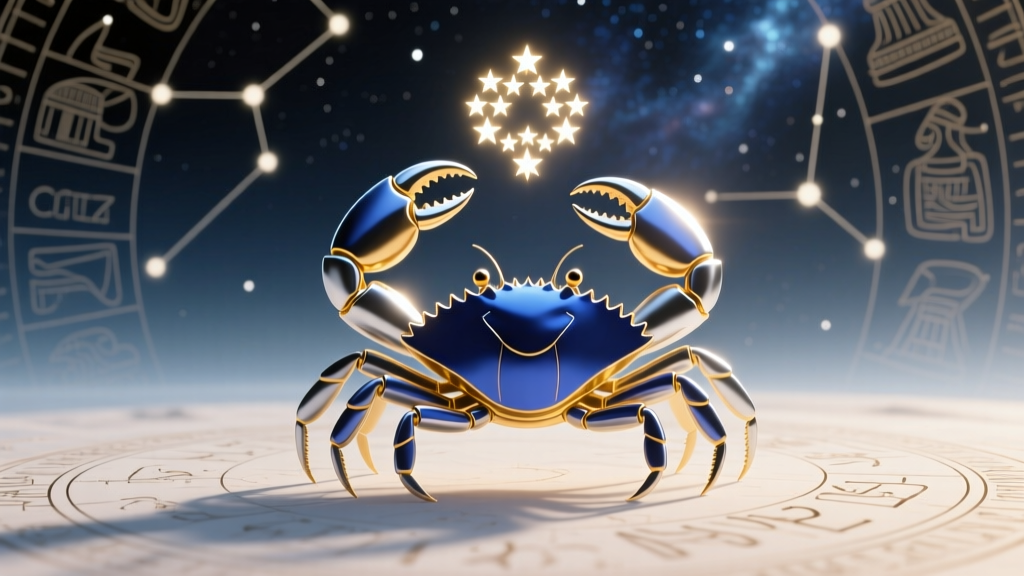
The study of July 17 astrology reveals a fascinating intersection of ancient Babylonian astronomy and Hellenistic mythology. Individuals born on this date fall under the 24th and 25th degrees of the tropical Cancer zodiac, a highly specific celestial coordinate steeped in antiquity. Rather than viewing this placement through a purely modern psychological lens, examining its historical origins provides a profound understanding of the Cancerian archetype. From the Sumerian constellations to the mythological trials of Heracles, the cosmic signatures governing this mid-July placement have evolved over millennia, shaping the deeply intuitive and protective traits recognized by astrologers today. This historical framework transforms how we interpret the natal charts of those born on this pivotal summer day.
The Babylonian Roots of July 17 Astrology
To understand the foundational meaning of this zodiacal placement, we must look to the MUL.APIN, an ancient Babylonian compendium of astronomical and astrological texts compiled around 1000 BCE. According to the Metropolitan Museum of Art's historical archives, the Babylonians did not originally see a crab in this sector of the sky. Instead, the constellation was known as MUL.AL.LUL, which translates to 'crayfish' or 'alluttu' (a freshwater crab).
This distinction is critical for historical astrological analysis. The freshwater crab was intimately connected to the rivers, marshes, and the life-giving, yet unpredictable, flooding of the Euphrates. The Sun's transit through this region coincided with the summer solstice and the peak of the river's swelling. Therefore, the ancient archetype of late-degree Cancer was not merely emotional or domestic; it was tied to the overwhelming, fertile, and sometimes destructive power of water. Those born on July 17 inherit this ancient 'river-crab' resilience, possessing an innate ability to navigate turbulent emotional waters and thrive in environments that others find overwhelming.
Mythological Origins: Karkinos and the Hydra
As Babylonian astrology was absorbed by the Hellenistic world, the constellation's mythology shifted to align with Greek heroic epics. The Encyclopædia Britannica notes that the Greeks formalized the zodiac we recognize today, attaching the legend of Karkinos to the sign of Cancer. During Heracles' second labor—his battle against the multi-headed Lernaean Hydra—the goddess Hera sent a giant crab named Karkinos to distract the hero by biting his foot.
Heracles crushed the crab, but Hera, honoring its loyal sacrifice, placed it among the stars. Because the crab was crushed, ancient astrologers noted that Cancer is the only zodiacal constellation without a bright, prominent alpha star. For the July 17 native, this mythological origin story highlights a core psychological theme: the willingness to act as a fierce, protective shield for loved ones (the Hydra/Hera dynamic), often at great personal cost. The 'hard shell' exterior characteristic of late-degree Cancers is a direct mythological inheritance from Karkinos's armored defense.
The Beehive Cluster (Praesepe): A Stellar Landmark
The most significant astronomical feature governing July 17 astrology is the presence of Praesepe, also known as the Beehive Cluster (Messier 44). In the tropical zodiac, the Sun aligns with Praesepe at approximately 24° to 25° Cancer. Historically, this nebulous star cluster was a vital navigational and meteorological tool.
Historical Observations of Praesepe
The ancient Greek poet and astronomer Aratus of Soli (3rd century BCE) used Praesepe as a celestial weather station. If the cluster was obscured by clouds while the sky around it remained clear, it was considered an infallible omen of impending heavy rain and storms. In Hellenistic astrology, as documented by Claudius Ptolemy in the Tetrabiblos, nebulous clusters like Praesepe were associated with blindness, both literal and metaphorical, indicating areas of life where the native might struggle to see clearly or might be prone to sudden, overwhelming emotional 'storms.'
| Ancient Culture | Name for Praesepe / Cancer Region | Historical Interpretation |
|---|---|---|
| Babylonian | MUL.AL.LUL / Alluttu | Associated with the god Ninurta and the summer solstice flooding of the Euphrates. |
| Ancient Greek | Phatnē (The Manger) | Represented the manger of the asses; its obscuration by clouds predicted violent rainstorms. |
| Han Dynasty China | Gui (The Ghost) | Part of the 28 Mansions; associated with ancestral worship, hidden wealth, and spiritual vision. |
Decan History: The Chaldean and Hellenistic Systems
July 17 falls squarely in the third decan of Cancer (20°00' to 29°59'). The historical rulership of this decan provides a crucial layer of depth to the native's personality profile. According to Astrodienst's historical decan archives, the Chaldean system assigns Mars as the sub-ruler of this specific decan.
This Martian influence fundamentally alters the standard interpretation of the Moon-ruled Cancer sign. While early-degree Cancers are often characterized by pure lunar receptivity, the July 17 native possesses a Martian undercurrent. This manifests as the 'warrior-crab' archetype. Historically, astrologers interpreted this placement as indicating a person who uses emotional intelligence as a tactical weapon. They are fiercely protective, highly strategic in domestic or real estate matters, and capable of sudden, aggressive action when their family or emotional security is threatened. The Hellenistic tradition later associated this decan with the imagery of a woman holding a distaff, symbolizing the active, deliberate weaving of family legacy and material security.
Actionable Insights: Applying Historical Astrology Today
Understanding the ancient origins of July 17 astrology allows modern practitioners and natives to utilize this data for precise chart analysis and predictive work. Move beyond generic sun-sign descriptions by integrating these historical frameworks into your practice:
- Track Transits to 24°-25° Cancer: Because the Sun crosses the Praesepe cluster around July 16-17, any planetary transit (especially from the Moon, Mars, or Saturn) to this exact degree will trigger the historical 'storm' archetype. Expect sudden emotional clarity or the eruption of suppressed domestic issues during these transits.
- Synthesize Moon and Mars: When analyzing the natal chart of a July 17 native, do not treat their Cancer placements as purely passive. Look for aspects between the Moon and Mars in the chart. This synthesis reveals how the native deploys the ancient 'Karkinos' defense mechanism—whether through passive-aggression, strategic boundary-setting, or overt protection of dependents.
- Utilize Mundane Weather-Lore: For astrologers practicing mundane or locational astrology, the historical Greek method of observing Praesepe remains relevant. When heavy transiting planets (like Saturn or Pluto) cross 24° Cancer, monitor global weather patterns and agricultural markets, as the ancient association with sudden flooding and crop disruption often mirrors modern ecological and economic shifts in water-dependent industries.
- Leverage the 'Ghost' Mansion Energy: Drawing from the Han Dynasty Chinese interpretation of the Gui mansion, July 17 natives are historically primed for genealogical research, ancestral healing, and uncovering hidden family assets. Actionable steps include initiating DNA lineage tracking or auditing inherited property during favorable lunar phases in Cancer.
The historical origins of the zodiac are not mere trivia; they are the architectural blueprints of astrological interpretation. By anchoring July 17 astrology in the Babylonian rivers, the Greek battlefields, and the ancient stellar observatories, we recover the profound, multi-dimensional power of the 25th degree of Cancer.