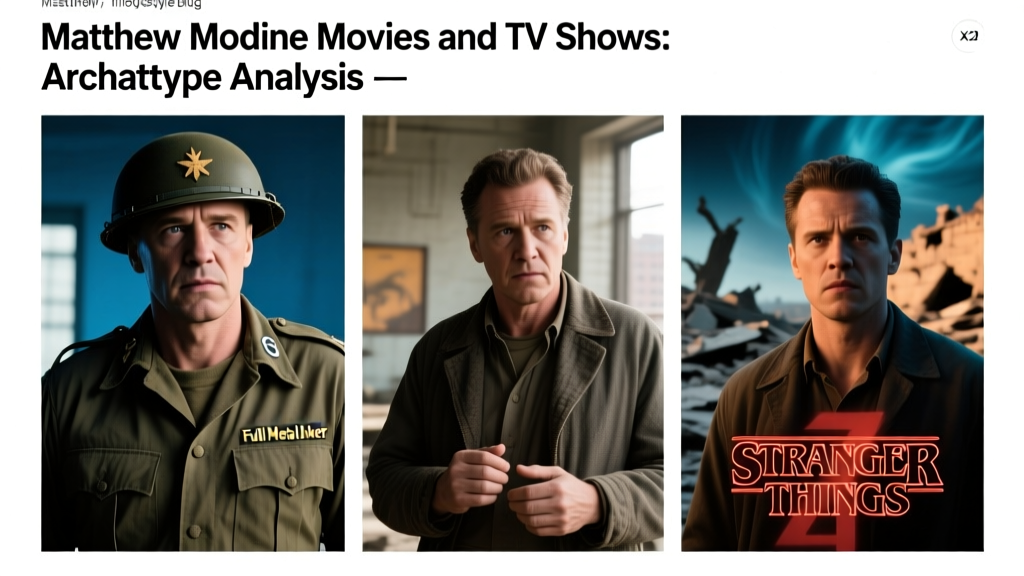
The Psychological Spectrum of Matthew Modine Movies and TV Shows
When analyzing the psychological depth and spiritual undertones of modern cinema, the catalog of Matthew Modine movies and TV shows offers a masterclass in moral ambiguity, authority archetypes, and the human shadow. Rather than simply listing his extensive credits, a true character study requires examining the energetic signatures and Jungian archetypes he embodies. From the chilling institutional control of Dr. Martin Brenner in Stranger Things to the chaotic survivalism and duality of Private Joker in Full Metal Jacket, Modine’s career maps a fascinating trajectory of the human psyche. This comparative analysis breaks down his most defining roles, explores the esoteric and psychological themes embedded within them, and provides curated viewing alternatives for audiences seeking similar archetypal resonance.
Archetypal Comparison: The Core Roles
To understand the spiritual weight of his filmography, we must categorize his characters by their dominant psychological drives and moral alignments. According to Psychology Today, archetypes serve as universal patterns of behavior that help us understand complex character motivations. The following matrix compares four of his most culturally significant performances based on these frameworks.
| Character / Project | Core Archetype | Moral Alignment | Psychological Shadow |
|---|---|---|---|
| Dr. Martin Brenner (Stranger Things) | The Corrupted Patriarch | Lawful Evil | Hubris and the suppression of the divine feminine |
| Private Joker (Full Metal Jacket) | The Detached Observer | True Neutral | Cognitive dissonance and the fracturing of the ego |
| Al Columbato (Birdy) | The Grounded Realist | Neutral Good | Desperation and the limits of rational intervention |
| Sullivan Groff (Weeds) | The Trickster | Chaotic Neutral | Subversion of suburban morality and hidden agendas |
Spiritual and Moral Themes in His Filmography
The Corrupted Patriarch and the Shadow of Control
In the cultural phenomenon Stranger Things, Dr. Martin Brenner represents the ultimate corrupted Father archetype. Spiritually, he embodies the hubris of the intellect attempting to master the unseen, ethereal realms (the Upside Down) without reverence or grounding. His character is a cautionary tale about the danger of severing one's moral compass in the pursuit of empirical knowledge. Viewers drawn to this specific exploration of institutional overreach will find Brenner’s psychological manipulation of Eleven to be a profound study in gaslighting and the suppression of intuitive power. As noted in his extensive IMDb filmography, Modine frequently returns to roles where authority figures must confront the monstrous results of their own ambition.
The Duality of Man and the Persona Mask
Stanley Kubrick’s Full Metal Jacket provides a harrowing look at the fracturing of the psyche under systemic trauma. Private Joker’s journey is a visceral depiction of Carl Jung’s concept of the 'Shadow.' The famous 'born to kill' helmet paired with the peace button is not merely a cinematic prop; it is a physical manifestation of cognitive dissonance and the splitting of the ego. Modine plays Joker not as a traditional hero, but as a detached observer whose spiritual detachment eventually shatters, forcing him to integrate his shadow self in the film's harrowing climax. This role remains a cornerstone for those studying the psychological toll of war on the individual spirit.
The Trickster and the Subversion of Morality
In the satirical landscape of the television series Weeds, Sullivan Groff operates as the Jungian Trickster. The Trickster archetype exists to disrupt the status quo, expose hypocrisy, and blur the lines between right and wrong. Groff’s charming, manipulative, and deeply unpredictable nature forces the protagonist (and the audience) to question the rigid moral structures of suburban life. Modine’s ability to infuse Groff with a dangerous, almost magnetic unpredictability highlights his range beyond stoic authority figures, tapping into the chaotic, transformative energy of the Trickster.
Viewing Alternatives: Actors with Similar Archetypal Resonance
Audiences who analyze Matthew Modine movies and TV shows often seek performers who excel at portraying intellectual authority, moral compromise, or psychological detachment. If you are looking for alternative actors who trigger similar psychological and spiritual reflections, consider the following comparisons verified by Rotten Tomatoes critical consensus:
- Giancarlo Esposito (The Calculated Authority): If Dr. Brenner’s quiet, terrifying manipulation is what draws you in, Esposito’s portrayal of Gus Fring in Breaking Bad is the ultimate alternative. Both characters use a veneer of calm, paternalistic professionalism to mask profound moral rot and a desire for absolute control over their environments. Esposito provides a masterclass in the 'Dark Father' energy.
- Willem Dafoe (The Grounded Realist in Chaos): For viewers who appreciate Modine’s role as the grounded foil in Birdy or his observational stance in Full Metal Jacket, Dafoe’s Oscar-nominated role as Sergeant Elias in Platoon offers a similar spiritual anchor. Both actors excel at portraying men trying to maintain their humanity and moral center within deeply dehumanizing, chaotic systems.
- Michael Stuhlbarg (The Morally Compromised Intellectual): Stuhlbarg frequently plays brilliant men whose intellectual pursuits blind them to emotional or spiritual realities. His work in films like Arrival or The Shape of Water mirrors the cerebral, often emotionally stunted scientists that Modine frequently brings to life, offering a softer but equally complex alternative to the Brenner archetype.
- J.K. Simmons (The Aggressive Demander): If the intense, high-pressure environments of Modine's military or institutional roles appeal to you, Simmons in Whiplash offers an amplified, aggressive take on the 'Demanding Mentor' archetype. While Modine often plays the cold, calculating manipulator, Simmons plays the explosive, overtly abusive taskmaster, providing a different flavor of psychological endurance for the viewer.
A Decision Framework for Your Next Watch
Selecting from the vast array of Matthew Modine movies and TV shows can be overwhelming given the tonal shifts between his projects. Use this personality-based decision framework to align your next viewing experience with your current psychological state, MBTI profile, or Enneagram type.
For the Enneagram 5 (The Investigator) or MBTI INTP
Recommendation: Birdy (1984) or Short Cuts (1993).
Rationale: These films require deep, analytical viewing and a tolerance for ambiguity. Birdy explores the extreme dissociation of the human mind as a coping mechanism for trauma, appealing to the Investigator’s desire to understand complex, internal psychological systems and the limits of human perception. The spiritual themes of flight and escape from physical reality will deeply resonate with intuitive thinkers.
For the Enneagram 8 (The Challenger) or MBTI ENTJ
Recommendation: Stranger Things (Focus on Seasons 1 and 4).
Rationale: Challengers are deeply attuned to power dynamics, control, and autonomy. Watching Dr. Brenner’s systematic attempts to break and control Eleven will engage your core interest in how power is wielded, abused, and ultimately overthrown by sheer force of will. The strategic cat-and-mouse games between Brenner and the Hawkins crew offer high-stakes intellectual combat.
For the Enneagram 4 (The Individualist) or MBTI INFP
Recommendation: Full Metal Jacket (1987).
Rationale: Individualists are drawn to authenticity, emotional depth, and the tragedy of the lost self. The systematic stripping away of Joker’s identity and his tragic, forced integration into the collective shadow of war will resonate profoundly with your sensitivity to the loss of individual spirit. The film’s exploration of the 'duality of man' is a quintessential study in the loss of innocence.
For the Enneagram 3 (The Achiever) or MBTI ESTJ
Recommendation: Weeds (Seasons 6-8).
Rationale: Achievers respect ambition, adaptability, and the navigation of complex social hierarchies. Sullivan Groff’s ability to manipulate corporate and criminal structures, all while maintaining a polished, successful exterior, provides a fascinating, albeit dark, mirror to the Achiever’s drive for success at any moral cost.
Final Synthesis on Character Study
Ultimately, the enduring appeal of his filmography lies in its refusal to offer easy moral answers or neatly packaged spiritual resolutions. Whether he is playing a desperate father trying to reach a dissociated friend, a detached soldier navigating the absurdity of war, or a ruthless scientist playing god, the underlying spiritual inquiry remains the same: How much of our humanity are we willing to sacrifice for survival, knowledge, or control? By understanding the archetypes at play, viewers can transform passive watching into an active exercise in shadow work, psychological integration, and a deeper understanding of the human condition.