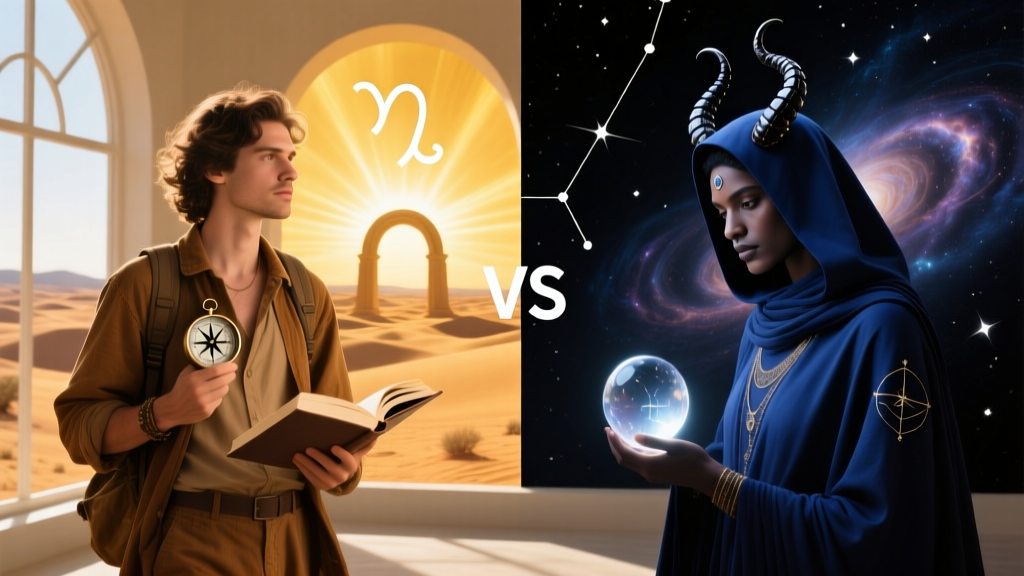
Determining the exact astrology sign for November 28 requires specifying the astrological framework being used. In Western Tropical astrology, this date falls squarely in the sign of Sagittarius. However, when applying the Vedic Sidereal system—which accounts for the precession of the equinoxes—the Sun occupies the sign of Scorpio. This divergence creates a fascinating comparative matrix for individuals born on this date. Rather than accepting a single-dimensional personality profile, analyzing the astrology sign for November 28 through both lenses provides a multi-layered psychological and karmic blueprint.
Defining the Astrology Sign for November 28 Across Systems
The discrepancy between Western and Vedic astrology stems from the sidereal and tropical zodiacs measuring different celestial markers. The Tropical zodiac aligns with the Earth's seasons (the vernal equinox), while the Sidereal zodiac aligns with the actual, observable constellations. Due to the precession of the equinoxes, these two systems have drifted apart by approximately 24 degrees over the last two millennia. This gap, known as the Ayanamsa, fundamentally shifts the planetary placements for any given calendar date.
The Western Tropical Baseline: Sagittarius
In the Western tradition, the Sun enters Sagittarius around November 22. By November 28, the Sun is positioned at approximately 6 degrees of Sagittarius. As a Mutable Fire sign ruled by Jupiter, this placement imbues the native with an expansive, forward-looking, and philosophically driven ego structure. The Western framework interprets this placement as the core psychological driver, indicating a personality that seeks meaning through exploration, higher education, and the synthesis of disparate belief systems. The native is driven by a need for autonomy and truth, often resisting rigid dogmas in favor of personal revelation.
The Vedic Sidereal Alternative: Scorpio
Conversely, when we subtract the ~24-degree Ayanamsa (using the standard Lahiri calculation), the Sun on November 28 is located at roughly 12 degrees of Scorpio. This shifts the paradigm entirely. Scorpio is a Fixed Water sign, traditionally ruled by Mars and esoterically governed by Ketu (the South Node of the Moon). Through the lens of Vedic astrology methodologies, the native's soul-level trajectory is not defined by jovial expansion, but by intense, focused investigation, emotional depth, and the transformation of hidden psychological undercurrents. The Vedic perspective suggests that beneath the optimistic Sagittarian exterior lies a profound, strategic, and intensely private emotional core.
Comparative Matrix: Tropical Sagittarius vs. Sidereal Scorpio
To synthesize these opposing energies, we must map their core astrological signatures side-by-side. This table highlights the friction and synergy between the two systems for a November 28 native.
| Dimension | Western Tropical (Sagittarius) | Vedic Sidereal (Scorpio) |
|---|---|---|
| Planetary Ruler | Jupiter (Expansion, Wisdom) | Mars / Ketu (Strategy, Liberation) |
| Element | Fire (Action, Inspiration) | Water (Emotion, Intuition) |
| Modality | Mutable (Adaptable, Restless) | Fixed (Stubborn, Enduring) |
| Core Archetype | The Philosopher / Explorer | The Strategist / Investigator |
| Sub-Division | 1st Decan (Jupiter-ruled) | Anuradha Nakshatra (Saturn-ruled) |
Sub-Divisional Analysis: Decans and Nakshatras
Broad sign placements only offer a macro-level view. To extract actionable insights, we must examine the micro-divisions of the zodiac, which reveal the specific mechanisms through which the native's energy operates.
Jupiter's First Decan (Western)
The Sun at 6 degrees Sagittarius falls in the First Decan, which is also ruled by Jupiter. This creates a pure or unadulterated Sagittarian influence. The native possesses a double-Jupiter signature in their Western ego expression, amplifying traits like optimism, moral idealism, and a propensity for risk-taking. The shadow manifestation of this double-rulership is overextension, dogmatism, and a tendency to overpromise. Actionable advice for this native involves grounding their expansive visions with concrete, measurable milestones to prevent burnout.
Anuradha Nakshatra (Vedic)
In the Sidereal system, 12 degrees Scorpio places the Sun firmly within Anuradha Nakshatra (which spans 10°00' to 23°20' Scorpio). According to precise Nakshatra calculations, Anuradha is ruled by Saturn, and its presiding deity is Mitra, the god of friendship, contracts, and alliances. This introduces a profound layer of complexity: while the sign ruler (Mars/Ketu) demands independence and secrecy, the Nakshatra ruler (Saturn) demands discipline, loyalty, and long-term collaboration. Mitra's influence means the native often finds their greatest spiritual and material breakthroughs through one-on-one partnerships, contrasting sharply with the typical Sagittarian desire for total independence.
Psychological vs. Karmic Application Framework
Understanding both systems is only valuable if applied correctly. Astrologers utilize a specific decision framework to determine which system to prioritize based on the native's current life focus:
- Use Western Tropical (Sagittarius) for: Psychological profiling, career aptitude, conscious ego development, and understanding how the native interacts with their immediate social environment. It maps the personality vehicle and conscious desires.
- Use Vedic Sidereal (Scorpio) for: Karmic trajectory, predictive timing (via the Vimshottari Dasha system), understanding deep-seated emotional traumas, and mapping the soul's evolutionary intent. It maps the soul's underlying blueprint.
For example, if a November 28 native is experiencing a period of sudden career upheaval, analyzing their Western 10th house will show how they adapt outwardly (Mutable Fire), while analyzing their Vedic Dashas will reveal the karmic timing and ultimate soul-purpose behind the disruption (Fixed Water/Anuradha). By separating these applications, the native avoids the cognitive dissonance of trying to force optimistic Sagittarian traits onto deep, transformative Scorpio life events.
Integrating Dual Astrological Identities
The ultimate goal of comparative astrology is integration, not division. A person born on November 28 possesses a unique psychological alchemy: the Mutable Fire of the West and the Fixed Water of the East. The practical application of this duality involves using the Sagittarian optimism and philosophical breadth to heal and contextualize the intense, often heavy emotional transformations required by the Sidereal Scorpio placement. When the native faces a crisis or deep psychological purge (Scorpio), they must deploy their innate ability to find meaning and higher purpose (Sagittarius) to navigate the turbulence. This synthesis transforms the native from a mere seeker of truth into a master of emotional and spiritual resilience, capable of bridging the gap between worldly exploration and profound inner depth.