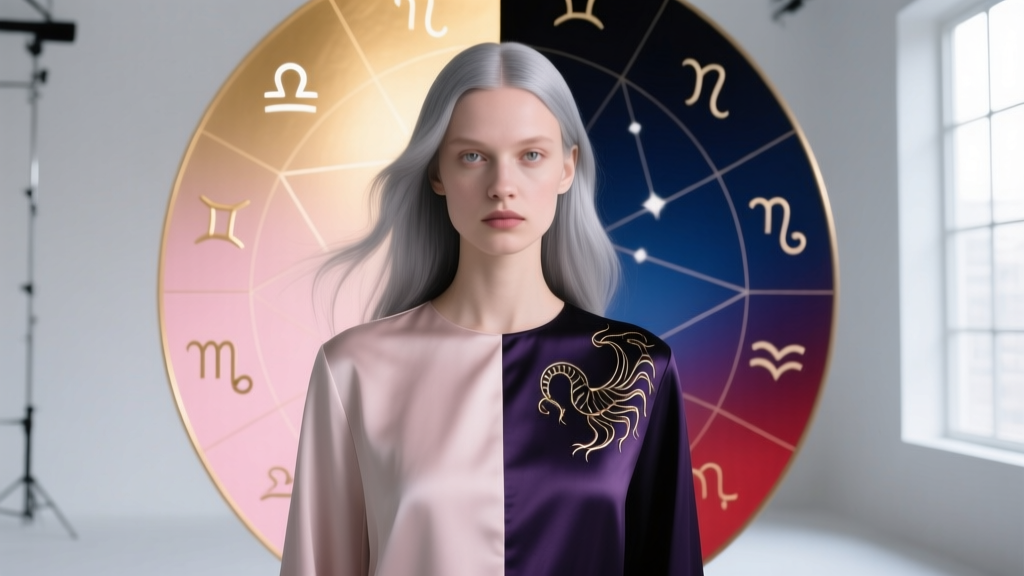
Individuals researching the october 21st horoscope sign often encounter conflicting information regarding cusp energy, zodiac boundaries, and personality archetypes. Born on the penultimate day of the Sun's transit through tropical Libra, October 21st natives possess a highly specific astrological fingerprint that defies generic horoscope columns. Rather than relying on generalized sun-sign descriptions, this analysis deconstructs the exact planetary degrees, decan influences, and systemic alternatives. By comparing the Western tropical framework against the Scorpio cusp threshold and the Vedic sidereal system, we provide a comprehensive, data-driven blueprint for understanding the distinct psychological and behavioral drivers of this specific birth date.
Deconstructing the October 21st Horoscope Sign in Western Astrology
In the Western tropical zodiac, the Sun occupies approximately 27 to 28 degrees of Libra on October 21st. This placement firmly anchors the individual in the third decan of Libra, which is sub-ruled by Mercury and the sign of Gemini. This planetary overlay creates a fascinating synthesis: the core Venusian drive for harmony, aesthetics, and diplomatic resolution is filtered through a Mercurial lens of hyper-analytical communication and intellectual adaptability. Unlike first-decan Libras who operate purely on aesthetic and relational instincts, the October 21 native processes social dynamics as complex data sets. They do not merely seek peace; they engineer it through strategic dialogue, negotiation, and cognitive empathy.
The proximity to the sign's end (the anaretic degrees approach at 29 degrees) also introduces a sense of urgency. These individuals often feel a subconscious pressure to finalize social contracts, resolve lingering interpersonal conflicts, and synthesize their environmental inputs before the solar shift into Scorpio demands a transition from external diplomacy to internal excavation. According to traditional decanate theory outlined by the Astro.com Decan Guide, this Mercurial influence makes the late-degree Libra exceptionally articulate, though prone to over-analyzing relational subtext.
Comparative Analysis: Late Libra vs. The Scorpio Cusp Threshold
A pervasive myth in pop astrology is the concept of the 'cusp'—the idea that individuals born near the transition between signs inherit a blended personality of both. Astrologically, the Sun cannot be in two signs simultaneously; an individual is either a late-degree Libra or an early-degree Scorpio. However, the psychological shadow of the approaching sign does exert a subtle atmospheric pressure. For the October 21st horoscope sign, the impending ingress into Scorpio (which occurs between October 22nd and 23rd, depending on the year and time zone) creates a distinct behavioral contrast when compared to those born just 48 hours later. Utilizing ephemeris data from Astro-Seek, we can map the exact divergence in core motivational drivers.
| Metric | October 21 (Late Libra / 3rd Decan) | October 23 (Early Scorpio / 1st Decan) |
|---|---|---|
| Core Motivation | Systemic equilibrium and intellectual synthesis | Emotional depth and psychological control |
| Conflict Resolution | Negotiation, mediation, and strategic compromise | Confrontation, boundary enforcement, and transformation |
| Information Processing | Mercurial analysis; weighs multiple social variables | Plutonian intuition; searches for hidden motives |
| Emotional Baseline | Detached, objective, seeks environmental harmony | Intense, subjective, seeks profound intimacy |
The Sidereal Alternative: Vedic Astrology and Nakshatra Placement
To achieve a complete comparative analysis, we must evaluate the October 21st birth date through the lens of Vedic (Jyotish) astrology, which utilizes the sidereal zodiac based on the actual observable constellations. Due to the precession of the equinoxes, the Vedic zodiac is currently offset from the Western tropical zodiac by approximately 24 degrees (the Lahiri Ayanamsa). Consequently, while Western astrology places the October 21st Sun in the final degrees of Libra, Vedic astrology places the Sun at approximately 4 to 5 degrees of Libra (Tula).
This shifts the native from the third decan to the first decan of Libra, which is sub-ruled by Venus itself. The Mercurial intellectualism of the Western placement is replaced by a pure, unadulterated Venusian focus on foundational harmony, material comfort, and direct relational bonding. Furthermore, 4 degrees of sidereal Libra falls within the Swati Nakshatra. Ruled by the shadow planet Rahu and the deity Vayu (the wind god), Swati imparts a fierce need for independence, adaptability, and non-attachment. This creates a profound paradox: the Vedic October 21st native is deeply relational (Libra) yet inherently resistant to being tied down (Swati/Rahu).
Western Tropical vs. Vedic Sidereal Framework
- Western Focus: Late-degree urgency, intellectual diplomacy, Mercury sub-ruler, focus on social engineering.
- Vedic Focus: Early-degree initiation, pure aesthetic harmony, Venus sub-ruler, focus on autonomous movement.
- Nakshatra Influence: Swati (The Wind) demands flexibility, making rigid commitments psychologically taxing despite the Libran desire for partnership.
Actionable Decision Framework for October 21 Natives
Understanding the mechanical differences between these astrological frameworks provides actionable leverage for personal and professional development. October 21st individuals must learn to calibrate their decision-making processes by recognizing when to deploy their Western Mercurial diplomacy and when to honor their Vedic need for autonomous movement.
Career and Cognitive Alignment
The synthesis of late-degree Libra urgency and third-decan Mercurial analysis makes this demographic exceptionally suited for high-stakes mediation, corporate negotiation, and systemic design. However, the Swati Nakshatra influence warns against rigid corporate hierarchies. Actionable guidance: Pursue roles that offer structural influence without geographic or temporal confinement. Independent consulting, international arbitration, and decentralized project management allow the October 21st native to engineer harmony (Libra) while maintaining the autonomy required by their sidereal profile (Swati). Avoid environments that demand rigid emotional loyalty over intellectual output. Additionally, leveraging the third-decan affinity for data, October 21st professionals should master negotiation analytics. Utilizing game theory and behavioral economics will satisfy the Mercury sub-ruler's demand for intellectual rigor while achieving the Venusian goal of mutual benefit.
Relationship Dynamics and Boundary Setting
In interpersonal dynamics, the October 21st horoscope sign often struggles with the 'diplomat's dilemma'—sacrificing personal authenticity to maintain environmental equilibrium. Because the Western placement demands social synthesis and the Vedic placement demands personal freedom, relationships can become breeding grounds for internal friction. Actionable guidance: Implement 'asynchronous processing' in conflicts. Rather than attempting to resolve relational disputes in real-time (which triggers the Libran people-pleasing reflex), institute a mandatory 24-hour reflection period. This honors the Mercurial need for data analysis and the Swati need for spatial detachment, ultimately leading to more authentic, sustainable resolutions. Furthermore, clearly delineating between 'social harmony' and 'intimate vulnerability' is critical. The October 21st native must consciously practice stating dissenting opinions in low-stakes environments to build the muscular endurance required for high-stakes emotional authenticity, preventing the accumulation of passive-aggressive resentment.