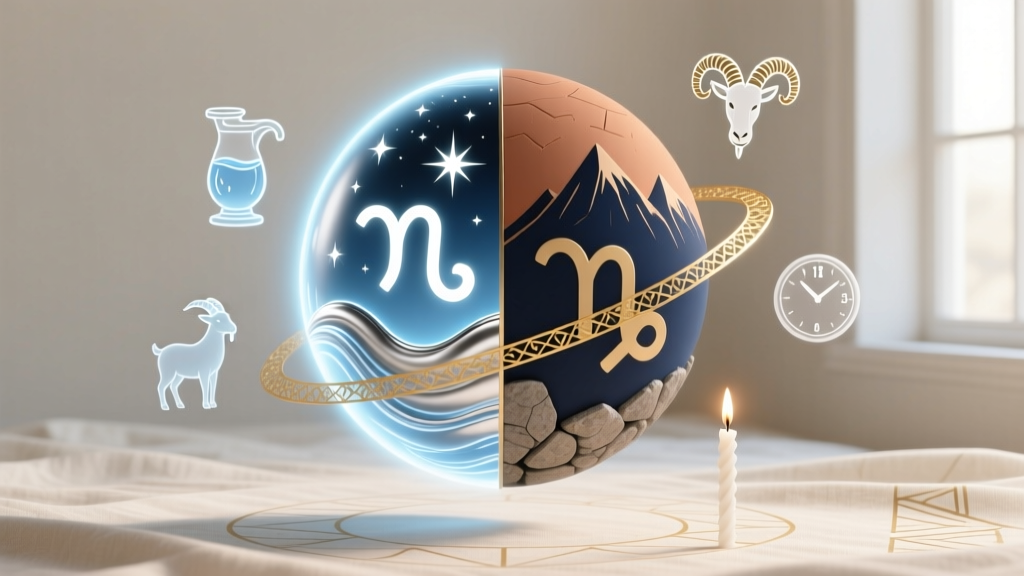
Individuals researching the zodiac of January 23 frequently encounter conflicting information regarding elemental associations, cusp boundaries, and planetary rulers. Born firmly under the sign of Aquarius, those with this birthdate possess a distinct astrological fingerprint shaped by fixed air modality and specific decan placements. This guide dismantles pervasive myths and answers critical FAQs using precise ephemeris data and Hellenistic astrological frameworks, providing a definitive resource for January 23 natives.
The Core Identity: What is the Zodiac of January 23?
The zodiac of January 23 is unequivocally Aquarius. In tropical astrology, the Sun transits through Aquarius from approximately January 20 to February 18. Individuals born on the 23rd fall within the first half of this transit, specifically occupying the third decan of the sign. Aquarius is a Fixed Air sign, meaning its native expression is characterized by intellectual endurance, systemic thinking, and a stabilization of ideas rather than physical matter. The glyph of the Water Bearer often misleads novices, but the elemental reality is entirely atmospheric and mental.
FAQ: Am I on the Capricorn-Aquarius Cusp?
The most frequent question regarding late January birthdays revolves around the concept of cusps. Pop astrology magazines often claim that individuals born between January 19 and January 23 are on the Cusp of Mystery, blending Capricorn's earthiness with Aquarius's air.
From a technical astrological standpoint, cusps do not exist in the way popular media describes. The Sun is a celestial body that occupies one specific ecliptic longitude at any given moment. According to Astro.com's official stance on cusps, the Sun enters Aquarius around January 20th. By January 23rd, the Sun has moved approximately three degrees into Aquarius. A three-degree separation from the Capricorn boundary means the solar influence is purely Aquarian. You do not possess a blended Sun sign; you are an Aquarius. Any Capricorn traits you exhibit are likely derived from other placements in your natal chart, such as a Capricorn Ascendant, Moon, or Saturnian aspects to your Sun.
4 Pervasive Misconceptions About January 23 Aquarians
Misconception 1: Aquarius is a Water Sign
Because the constellation is represented by Ganymede pouring water from an urn, many assume the zodiac of January 23 belongs to the Water triplicity alongside Cancer, Scorpio, and Pisces. This is false. Aquarius is an Air sign. The water being poured is a metaphor for the pouring out of knowledge, intellect, and cosmic consciousness into the collective. January 23 natives process the world through cognitive frameworks, logic, and objective analysis, not through emotional osmosis.
Misconception 2: Uranus is the Only Ruler
Modern astrology assigns Uranus as the ruler of Aquarius, emphasizing rebellion, sudden shifts, and technological innovation. However, traditional Hellenistic astrology, as documented by resources like Skyscript's guide to planetary rulerships, assigns Saturn as the domicile ruler. For a January 23 native, Saturn's influence is profound. It provides the structural discipline, endurance, and systemic architecture required to manifest Uranian visions. Ignoring Saturn results in a superficial understanding of the January 23 personality, which relies heavily on sustained effort and rigorous mental discipline.
Misconception 3: January 23 Natives are Emotionally Detached
The aloof robot stereotype is a reductive misinterpretation of Aquarian objectivity. January 23 natives do not lack emotion; rather, they intellectualize their feelings to maintain systemic equilibrium. Their empathy is often macro-oriented (humanitarianism, collective welfare) rather than micro-oriented (interpersonal enmeshment). This macro-empathy requires a degree of interpersonal detachment to function effectively without burning out.
Misconception 4: The Ophiuchus Shift Affects January 23
Every few years, viral articles claim the 13th sign Ophiuchus alters the zodiac dates. The zodiac of January 23 remains entirely unaffected. Western tropical astrology is based on the seasons and the equinoxes, not the current astronomical positions of the constellations (which shift due to the precession of the equinoxes). Ophiuchus is a constellation, not a zodiacal sign, and has no bearing on tropical natal chart calculations.
Astrological Mechanics: January 23 Data Profile
To understand the precise mechanics of this birthdate, we must look beyond the Sun sign and examine the intersecting astrological and numerological layers that govern January 23.
| Astrological Parameter | Specific Value | Functional Impact |
|---|---|---|
| Sun Sign | Aquarius | Core identity focused on innovation and collective systems. |
| Modality | Fixed | Provides endurance, stubbornness, and the ability to sustain long-term projects. |
| Element | Air | Prioritizes intellect, communication, and abstract conceptualization. |
| Decan | 3rd Decan (Libra/Venus) | Adds a layer of diplomacy, aesthetic appreciation, and relational harmony. |
| Traditional Ruler | Saturn | Imposes discipline, boundaries, and structural responsibility. |
| Modern Ruler | Uranus | Drives technological affinity, rebellion, and sudden cognitive breakthroughs. |
| Numerology (Day 23) | 5 (2+3) | Introduces Mercurial adaptability, curiosity, and a need for sensory freedom. |
The Decan and Numerological Overlay
The zodiac of January 23 falls within the third decan of Aquarius. According to the Chaldean decan system, this sector is sub-ruled by Venus (via the sign of Libra). This is a critical piece of information gain often missed in generic horoscopes. While the primary Aquarian archetype is highly cerebral and sometimes socially abrasive, the Venusian sub-rulership of the January 23 native grants an innate understanding of social diplomacy, aesthetic balance, and cooperative networking. These individuals are often the mediators within their progressive circles, capable of translating radical, Uranian concepts into palatable, harmonious frameworks that the public can accept.
Furthermore, the numerological reduction of the 23rd birthdate yields the number 5 (2 + 3 = 5). In numerology, 5 is governed by Mercury, the planet of communication, commerce, and cognitive agility. This Mercurial overlay creates a fascinating paradox: the Fixed Air nature of Aquarius demands stability and unwavering focus on a singular ideology, while the number 5 demands variety, travel, and constant mental stimulation. January 23 natives must consciously balance their need to build enduring systems (Aquarius/Saturn) with their innate desire for experiential freedom (Number 5/Mercury).
Actionable Guidance for January 23 Natives
Understanding the precise architecture of your birthdate allows for targeted personal development. Here are three actionable frameworks for optimizing the January 23 astrological profile:
- Leverage the Venusian Decan for Networking: Your ability to innovate is only as strong as your ability to build consensus. Use your third-decan diplomacy to gather allies before launching disruptive projects. You are naturally equipped to make radical ideas appear elegant and non-threatening.
- Manage the Fixed-Air/Mercury Paradox: The friction between your Fixed Sun and your 5 Life Path (or birth day number) can cause neurological burnout. Implement structured chaos into your schedule. Dedicate 80% of your time to deep, uninterrupted systemic work (Fixed Air), and reserve 20% for unstructured exploration, travel, or learning entirely unrelated skills (Mercury/5).
- Honor Saturn Before Uranus: Many January 23 natives attempt to rebel or disrupt systems (Uranus) before they fully understand how those systems operate (Saturn). Mastery requires you to first become an authority within the existing paradigm. Once you have earned Saturnian respect and structural mastery, your Uranian disruptions will be adopted rather than dismissed as mere contrarianism.