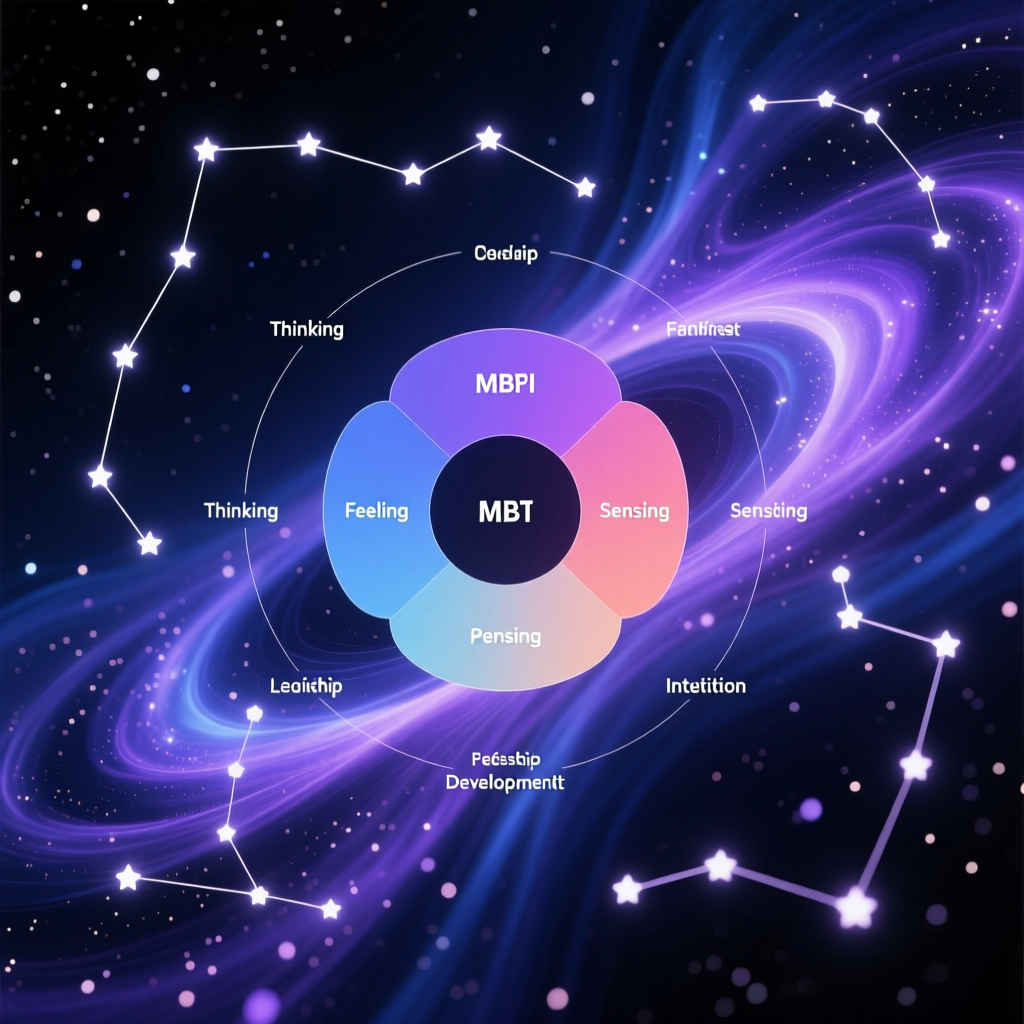
The landscape of corporate leadership and organizational psychology has evolved dramatically, placing executive coaching and professional development at the forefront of business strategy. No longer reserved exclusively for remedial course correction, coaching is now a vital tool for high-potential leaders navigating complex markets, mergers & acquisitions, and rapid technological shifts. At the heart of this transformative process lies self-awareness, and few frameworks offer as profound a lens for understanding human behavior as the Myers-Briggs Type Indicator (MBTI). By integrating MBTI personality types into executive coaching and professional development programs, organizations and individuals can unlock tailored strategies that resonate with their innate cognitive preferences.
Understanding your MBTI type is not about placing limits on your potential; rather, it is about identifying your natural leverage points. Whether you are an executive seeking to refine your leadership style, an HR professional designing a comprehensive development curriculum, or an aspiring coach looking to find your niche, recognizing how different personality types process information, make decisions, and recharge is crucial. This comprehensive guide explores the intersection of MBTI personality types, executive coaching, and professional development, providing actionable insights to help you cultivate a thriving, resilient, and self-aware leadership pipeline.
Top Career Paths in Executive Coaching & Development by MBTI
The field of executive coaching and professional development is remarkably diverse, requiring a blend of empathy, strategic foresight, psychological acumen, and organizational knowledge. Different MBTI types naturally gravitate toward specific niches within this industry, leveraging their unique cognitive functions to deliver exceptional results.
The Empathetic Catalysts (NF Diplomats)
Types such as the ENFJ (The Protagonist) and INFJ (The Advocate) are naturally drawn to the human element of professional development. They excel in roles that require deep emotional intelligence, active listening, and values-based coaching. ENFJs often thrive as corporate trainers and group facilitators, using their extraverted feeling (Fe) to build consensus and inspire large teams. INFJs, utilizing their introverted intuition (Ni), make exceptional one-on-one executive coaches who specialize in helping leaders uncover blind spots, align their career trajectories with their core personal values, and navigate complex interpersonal dynamics.
The Strategic Architects (NT Analysts)
For leaders who need help with organizational design, systems thinking, and high-level strategy, the Analyst types are invaluable. The ENTJ (The Commander) and INTJ (The Architect) often excel as organizational development consultants and executive strategists. They are adept at diagnosing structural inefficiencies and coaching C-suite executives on change management and long-term vision casting. Meanwhile, the INTP (The Logician) may prefer the analytical side of professional development, such as designing psychometric assessments, researching leadership efficacy, or coaching technical founders on scaling their startups without losing their innovative edge.
The Pragmatic Implementers (SJ Sentinels & SP Explorers)
While NF and NT types often dominate the coaching space, Sentinels and Explorers bring crucial grounding to professional development. ESTJs and ISTJs make phenomenal leadership development managers, ensuring that coaching programs are measurable, structured, and aligned with business KPIs. On the other hand, ESTPs and ESFPs thrive in dynamic, high-stakes coaching environments, such as crisis management coaching or immersive, experiential leadership retreats where adaptability and quick thinking are paramount.
Work Environment Preferences for Coaches & Corporate Leaders
The environment in which coaching and development take place can significantly impact the efficacy of the sessions. A one-size-fits-all approach to the physical and psychological workspace often leads to disengagement. Tailoring the environment to the MBTI preferences of both the coach and the coachee is a hallmark of advanced professional development strategies.
Introversion vs. Extraversion in Coaching Spaces
Extraverted leaders and coaches often draw energy from dynamic, interactive environments. They may prefer open-plan collaborative spaces, walking meetings, or high-energy group coaching workshops. For extraverts, professional development is highly social; they process their thoughts by speaking aloud and bouncing ideas off peers. Conversely, introverted professionals require quiet, low-stimulation environments to engage in deep reflection. An introverted executive will benefit far more from a private, soundproofed office, a quiet virtual session, or asynchronous coaching exercises that allow them to process complex feedback internally before discussing it.
Judging vs. Perceiving in Development Structures
The Judging (J) preference favors structure, clear agendas, and defined milestones. A professional development plan for a Judging type should include strict timelines, measurable KPIs, and a predictable coaching cadence. They find comfort in knowing exactly what will be discussed in a session and what the expected outcomes are. Perceiving (P) types, however, thrive in flexible, emergent environments. They prefer coaching sessions that feel more like open-ended dialogues rather than rigid check-ins. For Perceivers, the best professional development environments allow for spontaneous pivots, exploring new ideas as they arise, and adapting goals based on real-time market feedback.
Leadership Styles & Coaching Approaches Across Personality Types
Executive coaching is most effective when the coach adapts their methodology to the leadership style and cognitive preferences of the client. Understanding how different types process information (Sensing vs. Intuition) and make decisions (Thinking vs. Feeling) allows for highly customized professional development interventions.
Coaching the Intuitive (N) vs. Sensing (S) Leader
Intuitive leaders are visionaries. When coaching an Intuitive executive, the focus should be on big-picture strategy, future forecasting, and innovation. Coaches should use metaphors, explore theoretical frameworks, and challenge the leader to think ten steps ahead. However, Intuitives often struggle with execution and operational details. Professional development for these leaders must include grounding exercises that tie their grand visions to actionable, day-to-day metrics. Sensing leaders, on the other hand, are pragmatic and data-driven. They respond best to coaching that utilizes case studies, historical data, and concrete, step-by-step action plans. To develop a Sensing leader, coaches should focus on enhancing their strategic foresight and helping them become more comfortable with ambiguity and abstract risk.
Coaching the Thinking (T) vs. Feeling (F) Leader
Thinking types prioritize logic, objective analysis, and systemic efficiency. When providing feedback to a Thinking leader, coaches should be direct, unambiguous, and focused on competence and results. Emotional appeals or vague critiques will likely be dismissed. Professional development for Thinkers often involves building emotional intelligence, improving active listening, and learning to navigate the human elements of organizational change. Feeling types prioritize harmony, team morale, and core values. Coaching a Feeling leader requires a high degree of empathy and tact. Feedback must be framed in the context of how it impacts the team and the organization's mission. Their professional development journey frequently involves learning how to make tough, objective decisions without becoming emotionally overwhelmed, and setting healthy boundaries to prevent compassion fatigue.
Team Dynamics & Group Coaching Environments
While one-on-one executive coaching is highly impactful, group coaching and team-based professional development are essential for building cohesive leadership pipelines. Group dynamics introduce a complex web of interacting MBTI types, which can either lead to profound synergy or significant friction.
Navigating Cognitive Diversity in Team Offsites
In group coaching environments, facilitators must actively manage cognitive diversity. For instance, during a strategic planning retreat, Intuitive types may generate dozens of innovative ideas, while Sensing types may become frustrated by the lack of actionable implementation steps. A skilled coach uses MBTI to bridge this gap, teaching the team to value the brainstorming phase (N) while systematically transitioning to the execution phase (S). Similarly, conflict often arises between Thinking types, who may view debate as a healthy stress-test of ideas, and Feeling types, who may perceive the same debate as a personal attack or a disruption of team harmony. Professional development workshops that explicitly address these communication styles help teams establish psychological safety and mutual respect.
The Role of the Shadow in Team Development
Advanced executive coaching often touches upon the "shadow" aspects of personality types—the less developed, unconscious functions that emerge under stress. In high-pressure team environments, an usually composed ENTJ might become overly authoritarian and micromanaging (gripped by inferior Introverted Feeling), while an typically empathetic ENFJ might become hyper-critical and cynical (gripped by inferior Introverted Thinking). Group professional development programs that educate teams on these stress responses allow colleagues to recognize when a leader is operating from their shadow, enabling the team to offer support rather than escalating the conflict.
Career Transition Tips for Aspiring Executive Coaches
Transitioning from a corporate leadership role into a full-time executive coaching or professional development career is a major pivot. Many successful coaches are former executives who realized their true passion lay in developing people rather than managing operations. Leveraging your MBTI type can make this transition smoother and more strategic.
Identifying Your Coaching Niche
Your personality type can guide you toward your ideal coaching niche. If you are an ENTP, you might excel in coaching startup founders and entrepreneurs who need to pivot rapidly and challenge industry norms. If you are an ISFJ, you might find deep fulfillment in coaching mid-level managers on navigating corporate politics, building sustainable teams, and maintaining work-life balance. Understanding your natural strengths prevents you from trying to be a generic coach and helps you build a highly specialized, sought-after practice.
Developing Your Blind Spots
A crucial step in becoming an executive coach is developing your own blind spots. An introverted coach must learn how to market themselves, network effectively, and command a room during corporate pitches. An extraverted coach must cultivate the discipline to sit in silence, allowing the client to process their thoughts without interruption. Engaging in your own rigorous professional development and seeking mentorship from coaches with opposing MBTI types will round out your skill set and make you a more versatile practitioner.
Work-Life Balance & Preventing Coach Burnout
Executive coaching and professional development are emotionally and cognitively demanding fields. Coaches hold space for leaders navigating immense pressure, imposter syndrome, and organizational crises. Without proper boundaries, burnout is a significant risk, and your MBTI type can reveal your specific vulnerabilities.
Emotional Labor and the Feeling Types
Feeling types (especially ENFJs, INFJs, and ENFPs) are highly susceptible to emotional contagion. They naturally absorb the stress and anxieties of their clients. To maintain work-life balance, these coaches must establish strict psychological boundaries, practice regular grounding techniques, and ensure they have ample time to decompress in solitude. Professional development for coaches must include training on how to remain empathetic without becoming enmeshed in the client's emotional state.
Cognitive Fatigue and the Thinking Types
Thinking types (such as INTJs and ENTJs) may not experience emotional burnout in the traditional sense, but they are highly vulnerable to cognitive fatigue and frustration with client inefficiency. If a Thinking coach feels their client is not executing the agreed-upon action plans, they may become cynical or exhausted by the perceived lack of progress. To maintain balance, Thinking coaches need to reframe their role: they are facilitators of growth, not enforcers of compliance. They must also ensure their own schedules include time for solitary intellectual pursuits and physical exercise to recharge their analytical minds.
Salary Insights & Career Outlook in Executive Coaching
The financial rewards of a career in executive coaching and professional development are closely tied to experience, niche specialization, and the scale of the client base. Below is an overview of estimated salary ranges for various roles within this sector. Note that independent executive coaches can significantly exceed these ranges based on their retainer models and corporate contracts.
| Career Role | Experience Level | Estimated Annual Salary Range | Key Compensation Factors |
|---|---|---|---|
| Corporate Trainer / Facilitator | Entry to Mid-Level | $65,000 - $95,000 | Company size, travel requirements, certification levels |
| Leadership Development Manager | Mid to Senior-Level | $90,000 - $140,000 | Scope of team, budget management, organizational impact |
| Internal Executive Coach | Senior-Level | $110,000 - $160,000 | Proximity to C-suite, internal influence, specialized credentials |
| Independent Executive Coach | Expert / Veteran | $150,000 - $300,000+ | Client roster, retainer models, niche authority, brand reputation |
| Organizational Development Consultant | Mid to Senior-Level | $100,000 - $180,000 | Project-based bonuses, M&A integration expertise, firm partnership |
Frequently Asked Questions
Which MBTI type makes the best executive coach?
There is no single "best" MBTI type for an executive coach, as different types excel in different coaching niches. ENFJs and INFJs are often considered natural coaches due to their high emotional intelligence, empathy, and ability to foster deep personal growth. However, ENTJs and INTJs make exceptional strategic coaches for C-suite executives who need help with organizational design, market positioning, and high-level decision-making. The most effective coaches are those who understand their own cognitive preferences and have done the rigorous personal work to develop their blind spots, allowing them to adapt their style to the unique needs of each client.
How can I use my MBTI type to improve my professional development plan?
You can use your MBTI type to tailor your learning style, set realistic goals, and identify areas for growth. For example, if you are a Perceiving type, you might build a development plan that allows for flexibility, exploratory learning, and diverse experiences rather than rigid, linear milestones. If you are an Introverted Sensing type, you might benefit from structured mentorship and studying historical case studies of successful leaders. Furthermore, reviewing your type's common "derailers" or stress responses can help you proactively build coping mechanisms and emotional intelligence into your professional development roadmap. For more tailored advice, explore our guides on MBTI leadership styles.
Do executive coaches use MBTI assessments with their clients?
Yes, many executive coaches utilize the MBTI assessment as a foundational tool during the onboarding and discovery phases of a coaching engagement. It provides a shared, non-judgmental vocabulary for the coach and the client to discuss communication styles, decision-making processes, and conflict resolution. Rather than using the MBTI to pigeonhole a leader, skilled coaches use it to highlight natural strengths and uncover potential blind spots. It is often combined with other tools like 360-degree feedback and emotional intelligence assessments to create a holistic view of the leader's professional landscape.
What is the best work environment for an introverted executive coach?
An introverted executive coach thrives in an environment that allows for deep, uninterrupted focus and meaningful one-on-one connections. They prefer conducting sessions in quiet, private spaces or via high-quality video conferencing from a well-designed home office. Introverted coaches benefit from scheduling fewer, longer coaching sessions rather than a high volume of back-to-back calls, which can lead to rapid social and cognitive depletion. Additionally, they need ample buffer time between sessions to process notes, reflect on the client's progress, and recharge their mental energy before engaging with the next leader.